Buy grillwerk.eu ?
We are moving the project
grillwerk.eu .
Are you interested in purchasing the domain
grillwerk.eu ?
domain@kv-gmbh.de · 0541-91531010
Buy grillwerk.eu ?
What are sensory cells, sensory organs, and senses?
Sensory cells are specialized cells that detect and respond to specific stimuli, such as light, sound, touch, taste, and smell. These cells are found in sensory organs, which are structures in the body that contain sensory cells and are responsible for detecting and transmitting sensory information to the brain. The senses, on the other hand, are the physiological capacities of organisms that provide data for perception. They include sight, hearing, touch, taste, and smell, and are essential for experiencing and interacting with the environment. **
What is the difference between a primary sensory cell, a secondary sensory cell, and a sensory nerve cell?
Primary sensory cells are specialized cells that directly detect stimuli from the environment, such as light, sound, or touch. Secondary sensory cells receive signals from primary sensory cells and transmit them to the central nervous system. Sensory nerve cells, also known as sensory neurons, are responsible for transmitting the signals from secondary sensory cells to the brain, where they are processed and interpreted. In summary, primary sensory cells detect stimuli, secondary sensory cells relay the signals, and sensory nerve cells transmit the signals to the brain for processing. **

Similar search terms for Sensory
Top-Angebote
Products related to Sensory:
-
VEVOR Outdoor Grill Cart, 31.5 x 24.0 inch Stainless Steel Tabletop Size Grilling Table, Outdoor Cooking TableWide Prep Surface: With its 31.5 x 24 inch/800 x 610mm surface, our flattop grill cart fits mainstream pizza ovens, flat-top grills, tabletop units, and portable models.135,49 $*Shipping: 0,00 $Secure redirect to the provider
-
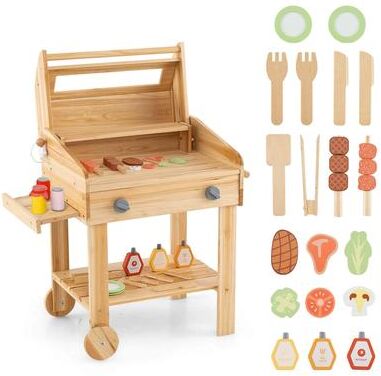
Wooden Play Barbecue Toy Set Kids Grill Play Set w/ Grilling ToolsGet your young aspiring chefs cooking with our kids BBQ grill playset. Designed for children aged 3 and up, this pretend kitchen set features a wooden structure with easy mobility on 2 wheels and a side handle for safe indoor or outdoor grilling fun.82,99 $*Shipping: 0,00 $Secure redirect to the provider
-
VEVOR Outdoor Grill Cart, 36.4 x 23.4 x 1 inch Tabletop Size Grilling Table, Movable Outdoor Cooking Table"Extra-Large Worktop: With a 36.4"" x 23.4""/925 x 595mm top, the flattop grill cart accommodates popular pizza ovens, flat-top grills, tabletop units, and portable cookers."186,49 $*Shipping: 0,00 $Secure redirect to the provider
-
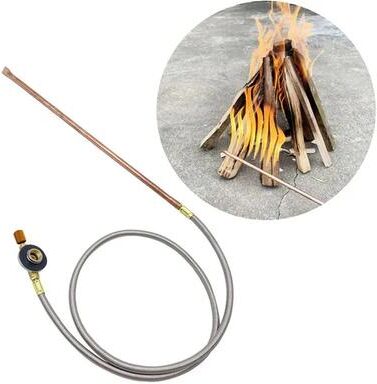
Inspire Daily Merch Hand Held Charcoal Fire Igniter Spray Gun Portable Fire Starter For Outdoor Cooking, Barbecue & Camping Hand Held Charcoal Fire Igniter Spray Gun Portable Fire Starter For Outdoor Cooking, Barbecue & CampingTake your outdoor cooking experience to the next level with our HandHeld Charcoal Fire Igniter Spray Gun. Perfect for barbecue enthusiasts, campers, and those who love a cozy fire pit, this portable fire gun makes starting fires effortless and...59,97 $*Shipping: 0,00 $Secure redirect to the provider


-
What is sensory perception?
Sensory perception refers to the process of receiving and interpreting information from the environment through the senses. This includes the five main senses of sight, hearing, touch, taste, and smell, as well as other sensory experiences such as balance, proprioception, and temperature. The brain then processes this sensory information to create a perception of the world around us, allowing us to interact with and understand our surroundings. Sensory perception is essential for everyday functioning and plays a crucial role in how we experience and navigate the world. **
-
Are receptors sensory cells?
Receptors are not sensory cells themselves, but they are specialized proteins located on the surface of sensory cells. These receptors are responsible for detecting and responding to specific stimuli, such as light, sound, taste, or smell. When a receptor is activated by a stimulus, it triggers a series of biochemical reactions within the sensory cell, ultimately leading to the generation of a sensory signal that can be transmitted to the brain for processing. Therefore, while receptors are not sensory cells, they play a crucial role in the sensory process by detecting and transducing stimuli into neural signals. **
-
What are sensory nerve cells?
Sensory nerve cells, also known as sensory neurons, are specialized cells that transmit information from the body's sensory organs (such as the skin, eyes, ears, nose, and tongue) to the central nervous system. These cells are responsible for detecting various stimuli, such as touch, temperature, pain, and pressure, and converting these stimuli into electrical signals that can be interpreted by the brain. Sensory nerve cells play a crucial role in allowing us to perceive and respond to our environment. **
-
Why is sensory transduction necessary?
Sensory transduction is necessary because it allows the body to convert various forms of environmental stimuli, such as light, sound, touch, and chemical signals, into electrical signals that can be interpreted by the nervous system. This process is essential for the body to perceive and respond to its surroundings, allowing for the detection of potential dangers, the regulation of bodily functions, and the experience of sensations such as taste, smell, and touch. Without sensory transduction, the body would not be able to effectively interact with its environment and respond to changes in its surroundings. **

What are artificial sensory organs?
Artificial sensory organs are devices designed to mimic the functions of natural sensory organs, such as the eyes, ears, and skin. These devices use advanced technology to detect and process sensory information, allowing individuals to perceive and interact with their environment in a way that is similar to natural sensory organs. Artificial sensory organs have the potential to enhance or restore sensory capabilities for individuals with disabilities, as well as to provide new sensory experiences for people without impairments. These technologies have the potential to revolutionize healthcare and human-computer interaction. **
How does sensory development progress?
Sensory development progresses through a series of stages, beginning with basic sensory experiences such as touch, taste, and smell in infancy. As children grow, they develop more refined sensory abilities, such as improved vision and hearing, and begin to integrate sensory information to make sense of their environment. This process continues into adolescence and adulthood, with individuals becoming more adept at interpreting and responding to sensory stimuli. Overall, sensory development progresses from basic sensory experiences to more complex and integrated sensory abilities as individuals mature. **
Top-Angebote
Products related to Sensory:
-
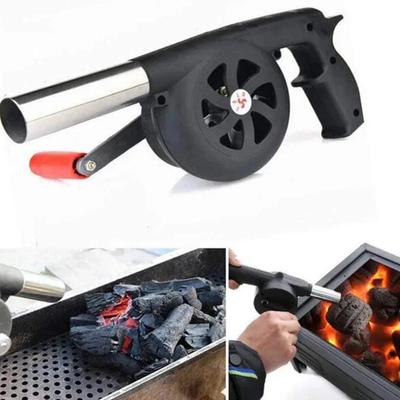
Perfect Picks Market Portable Manual BBQ Fan For Outdoor Grilling Air Blower For Barbecue & Picnic Portable Manual BBQ Fan For Outdoor Grilling Air Blower For Barbecue & PicnicLooking to take your outdoor BBQ experience to the next level The BBQ fan is a musthave tool for anyone who enjoys grilling. This manual air blower makes it easier to get your fire going faster, helping you enjoy the perfect BBQ in no time. Whether...31,97 $*Shipping: 0,00 $Secure redirect to the provider
-
Lush Living Finds Portable Hand Crank BBQ Fire Blower Fan For Grilling, Camping & Outdoor Cooking Portable Hand Crank BBQ Fire Blower Fan For Grilling, Camping & Outdoor CookingTurn slowstarting fires into steady, glowing heat in seconds. This 1 pc of portable BBQ blower helps you ignite charcoal and wood faster without blowing ash everywhere, making outdoor cooking easier and more enjoyable. Designed for grill...35,97 $*Shipping: 0,00 $Secure redirect to the provider
-
VEVOR Outdoor Grill Cart, 31.5 x 24.0 inch Stainless Steel Tabletop Size Grilling Table, Outdoor Cooking TableWide Prep Surface: With its 31.5 x 24 inch/800 x 610mm surface, our flattop grill cart fits mainstream pizza ovens, flat-top grills, tabletop units, and portable models.135,49 $*Shipping: 0,00 $Secure redirect to the provider
-
Wooden Play Barbecue Toy Set Kids Grill Play Set w/ Grilling ToolsGet your young aspiring chefs cooking with our kids BBQ grill playset. Designed for children aged 3 and up, this pretend kitchen set features a wooden structure with easy mobility on 2 wheels and a side handle for safe indoor or outdoor grilling fun.82,99 $*Shipping: 0,00 $Secure redirect to the provider
-
What are sensory cells, sensory organs, and senses?
Sensory cells are specialized cells that detect and respond to specific stimuli, such as light, sound, touch, taste, and smell. These cells are found in sensory organs, which are structures in the body that contain sensory cells and are responsible for detecting and transmitting sensory information to the brain. The senses, on the other hand, are the physiological capacities of organisms that provide data for perception. They include sight, hearing, touch, taste, and smell, and are essential for experiencing and interacting with the environment. **
-
What is the difference between a primary sensory cell, a secondary sensory cell, and a sensory nerve cell?
Primary sensory cells are specialized cells that directly detect stimuli from the environment, such as light, sound, or touch. Secondary sensory cells receive signals from primary sensory cells and transmit them to the central nervous system. Sensory nerve cells, also known as sensory neurons, are responsible for transmitting the signals from secondary sensory cells to the brain, where they are processed and interpreted. In summary, primary sensory cells detect stimuli, secondary sensory cells relay the signals, and sensory nerve cells transmit the signals to the brain for processing. **
-
What is sensory perception?
Sensory perception refers to the process of receiving and interpreting information from the environment through the senses. This includes the five main senses of sight, hearing, touch, taste, and smell, as well as other sensory experiences such as balance, proprioception, and temperature. The brain then processes this sensory information to create a perception of the world around us, allowing us to interact with and understand our surroundings. Sensory perception is essential for everyday functioning and plays a crucial role in how we experience and navigate the world. **
-
Are receptors sensory cells?
Receptors are not sensory cells themselves, but they are specialized proteins located on the surface of sensory cells. These receptors are responsible for detecting and responding to specific stimuli, such as light, sound, taste, or smell. When a receptor is activated by a stimulus, it triggers a series of biochemical reactions within the sensory cell, ultimately leading to the generation of a sensory signal that can be transmitted to the brain for processing. Therefore, while receptors are not sensory cells, they play a crucial role in the sensory process by detecting and transducing stimuli into neural signals. **
Similar search terms for Sensory
-
VEVOR Outdoor Grill Cart, 36.4 x 23.4 x 1 inch Tabletop Size Grilling Table, Movable Outdoor Cooking Table"Extra-Large Worktop: With a 36.4"" x 23.4""/925 x 595mm top, the flattop grill cart accommodates popular pizza ovens, flat-top grills, tabletop units, and portable cookers."186,49 $*Shipping: 0,00 $Secure redirect to the provider
-
Inspire Daily Merch Hand Held Charcoal Fire Igniter Spray Gun Portable Fire Starter For Outdoor Cooking, Barbecue & Camping Hand Held Charcoal Fire Igniter Spray Gun Portable Fire Starter For Outdoor Cooking, Barbecue & CampingTake your outdoor cooking experience to the next level with our HandHeld Charcoal Fire Igniter Spray Gun. Perfect for barbecue enthusiasts, campers, and those who love a cozy fire pit, this portable fire gun makes starting fires effortless and...59,97 $*Shipping: 0,00 $Secure redirect to the provider
-
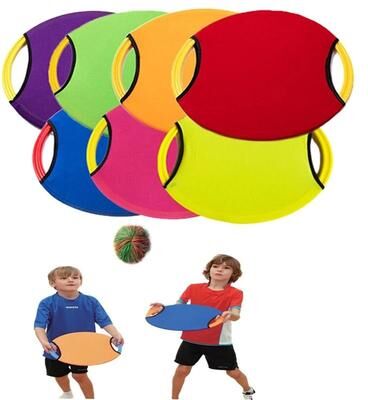
Uplift Picks Kids Outdoor Throwing Ring Toy Balance Training Sensory Play Toy Kids Outdoor Throwing Ring Toy Balance Training Sensory Play ToyTurn playtime into an exciting learning experience with this fun and active kids outdoor toy. Designed to keep children moving, it combines throwing, bouncing, and coordination into one engaging activity. This sensory training toy helps improve...52,00 $*Shipping: 0,00 $Secure redirect to the provider
-
Sorbus Large Stainless Steel Barbecue Folding Grilling Basket with Removable Handles - Set of 1Elevate your BBQ game with the Sorbus Stainless Steel Folding Grilling Basket. Perfect for fish, veggies, or shrimp, it ensures even cooking without food falling through. Its large, foldable design offers portability for camping and outdoor grilling.36,49 $*Shipping: 0,00 $Secure redirect to the provider
-
What are sensory nerve cells?
Sensory nerve cells, also known as sensory neurons, are specialized cells that transmit information from the body's sensory organs (such as the skin, eyes, ears, nose, and tongue) to the central nervous system. These cells are responsible for detecting various stimuli, such as touch, temperature, pain, and pressure, and converting these stimuli into electrical signals that can be interpreted by the brain. Sensory nerve cells play a crucial role in allowing us to perceive and respond to our environment. **
-
Why is sensory transduction necessary?
Sensory transduction is necessary because it allows the body to convert various forms of environmental stimuli, such as light, sound, touch, and chemical signals, into electrical signals that can be interpreted by the nervous system. This process is essential for the body to perceive and respond to its surroundings, allowing for the detection of potential dangers, the regulation of bodily functions, and the experience of sensations such as taste, smell, and touch. Without sensory transduction, the body would not be able to effectively interact with its environment and respond to changes in its surroundings. **
-
What are artificial sensory organs?
Artificial sensory organs are devices designed to mimic the functions of natural sensory organs, such as the eyes, ears, and skin. These devices use advanced technology to detect and process sensory information, allowing individuals to perceive and interact with their environment in a way that is similar to natural sensory organs. Artificial sensory organs have the potential to enhance or restore sensory capabilities for individuals with disabilities, as well as to provide new sensory experiences for people without impairments. These technologies have the potential to revolutionize healthcare and human-computer interaction. **
-
How does sensory development progress?
Sensory development progresses through a series of stages, beginning with basic sensory experiences such as touch, taste, and smell in infancy. As children grow, they develop more refined sensory abilities, such as improved vision and hearing, and begin to integrate sensory information to make sense of their environment. This process continues into adolescence and adulthood, with individuals becoming more adept at interpreting and responding to sensory stimuli. Overall, sensory development progresses from basic sensory experiences to more complex and integrated sensory abilities as individuals mature. **
* All prices are inclusive of VAT and, if applicable, plus shipping costs. The offer information is based on the details provided by the respective shop and is updated through automated processes. Real-time updates do not occur, so deviations can occur in individual cases. ** Note: Parts of this content were created by AI.