Buy grillwerk.eu ?
We are moving the project
grillwerk.eu .
Are you interested in purchasing the domain
grillwerk.eu ?
domain@kv-gmbh.de · 0541-91531010
Buy grillwerk.eu ?
How does a photodiode work?
A photodiode is a semiconductor device that converts light into an electrical current. When light strikes the photodiode, it generates electron-hole pairs in the semiconductor material. These pairs create a flow of current, which can be measured as a voltage output. The amount of current produced is directly proportional to the intensity of the light hitting the photodiode. This makes photodiodes useful for applications such as light detection, solar cells, and optical communications. **
How is a photodiode connected?
A photodiode is typically connected in reverse bias configuration, meaning the anode is connected to the negative terminal of the power supply and the cathode is connected to the positive terminal. This allows the photodiode to operate in the photoconductive mode, where it generates a current in response to light exposure. Additionally, a resistor is often connected in series with the photodiode to limit the current and prevent damage to the diode. Finally, the output of the photodiode can be connected to a load or measurement circuit to utilize the generated current. **

Similar search terms for Photodiode
Top-Angebote
Products related to Photodiode:
-
VEVOR Outdoor Grill Cart, 31.5 x 24.0 inch Stainless Steel Tabletop Size Grilling Table, Outdoor Cooking TableWide Prep Surface: With its 31.5 x 24 inch/800 x 610mm surface, our flattop grill cart fits mainstream pizza ovens, flat-top grills, tabletop units, and portable models.135,49 $*Shipping: 0,00 $Secure redirect to the provider
-
Wooden Play Barbecue Toy Set Kids Grill Play Set w/ Grilling ToolsGet your young aspiring chefs cooking with our kids BBQ grill playset. Designed for children aged 3 and up, this pretend kitchen set features a wooden structure with easy mobility on 2 wheels and a side handle for safe indoor or outdoor grilling fun.82,99 $*Shipping: 0,00 $Secure redirect to the provider
-
VEVOR Outdoor Grill Cart, 36.4 x 23.4 x 1 inch Tabletop Size Grilling Table, Movable Outdoor Cooking Table"Extra-Large Worktop: With a 36.4"" x 23.4""/925 x 595mm top, the flattop grill cart accommodates popular pizza ovens, flat-top grills, tabletop units, and portable cookers."186,49 $*Shipping: 0,00 $Secure redirect to the provider
-
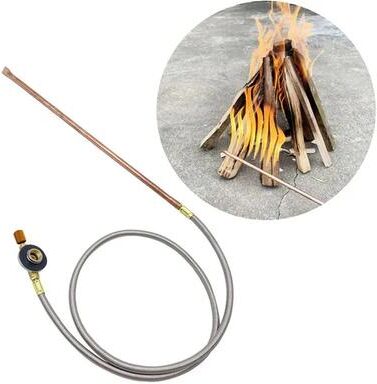
Inspire Daily Merch Hand Held Charcoal Fire Igniter Spray Gun Portable Fire Starter For Outdoor Cooking, Barbecue & Camping Hand Held Charcoal Fire Igniter Spray Gun Portable Fire Starter For Outdoor Cooking, Barbecue & CampingTake your outdoor cooking experience to the next level with our HandHeld Charcoal Fire Igniter Spray Gun. Perfect for barbecue enthusiasts, campers, and those who love a cozy fire pit, this portable fire gun makes starting fires effortless and...59,97 $*Shipping: 0,00 $Secure redirect to the provider



-
What components does a photodiode need in electrical engineering?
In electrical engineering, a photodiode requires several components to function effectively. These include a semiconductor material, such as silicon, which is sensitive to light and capable of generating an electric current when exposed to photons. Additionally, a photodiode needs a p-n junction to create a depletion region, which allows for the separation of electron-hole pairs when light is absorbed. Furthermore, a photodiode typically requires a reverse bias voltage to create the necessary electric field for efficient operation. Finally, a photodiode may also need a protective housing to shield it from external factors such as temperature, humidity, and mechanical stress. **
-
What is the difference between a diode and a photodiode?
A diode is a two-terminal electronic component that allows current to flow in one direction only. It is commonly used in electronic circuits to control the direction of current flow. On the other hand, a photodiode is a type of diode that is designed to convert light into electrical current. Photodiodes are used in various applications such as light sensors, solar cells, and optical communications. The key difference between a diode and a photodiode is that a photodiode is specifically designed to detect and convert light into electrical current, whereas a diode is a more general electronic component used for controlling current flow. **
-
What is the difference between a photoelement and a photodiode?
A photoelement is a general term used to describe any device that converts light into an electrical signal, including photodiodes. A photodiode is a specific type of photoelement that operates in reverse bias, meaning it only allows current to flow when light is present. Photodiodes are commonly used in applications such as light detection, solar cells, and optical communication systems. In contrast, a photoelement can refer to a broader range of light-sensitive devices, including phototransistors, photoresistors, and photovoltaic cells. **
-
What are the different characteristics between a photodiode and a photoresistor?
Photodiodes are semiconductor devices that generate a current when exposed to light, offering a fast response time and high sensitivity to light intensity changes. They are more expensive and complex to use compared to photoresistors. Photoresistors, on the other hand, are passive components that change resistance based on the amount of light they are exposed to, providing a simple and cost-effective solution for light detection. They have a slower response time and are less sensitive to light compared to photodiodes. **
How can the light sensor (photodiode) be read out analog-digital?
The light sensor (photodiode) can be read out analog-digital by using an analog-to-digital converter (ADC). The photodiode generates a current or voltage signal in response to the incident light, which is then converted into a digital value by the ADC. The ADC samples the analog signal at regular intervals and quantizes it into discrete digital values, which can then be processed and analyzed by a microcontroller or computer. This digital output can be used to measure the intensity of the light and make decisions or trigger actions based on the light level. **
What is the difference between a photodiode, a phototransistor, and a photoresistor?
A photodiode is a semiconductor device that converts light into an electrical current. It operates in reverse bias mode and has a fast response time. A phototransistor is a type of transistor that is sensitive to light and amplifies the current flowing through it when exposed to light. It operates in active mode and is more sensitive than a photodiode. A photoresistor, on the other hand, is a passive component whose resistance changes in response to light intensity. It does not amplify the current like a phototransistor and is commonly used in light sensing applications. **
Top-Angebote
Products related to Photodiode:
-
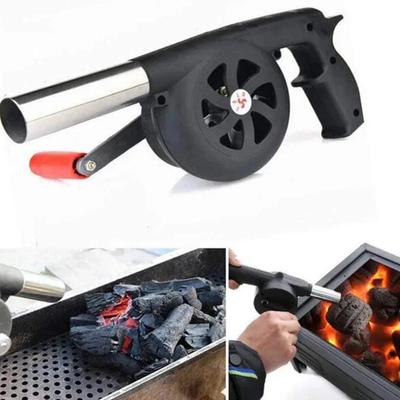
Perfect Picks Market Portable Manual BBQ Fan For Outdoor Grilling Air Blower For Barbecue & Picnic Portable Manual BBQ Fan For Outdoor Grilling Air Blower For Barbecue & PicnicLooking to take your outdoor BBQ experience to the next level The BBQ fan is a musthave tool for anyone who enjoys grilling. This manual air blower makes it easier to get your fire going faster, helping you enjoy the perfect BBQ in no time. Whether...31,97 $*Shipping: 0,00 $Secure redirect to the provider
-
Lush Living Finds Portable Hand Crank BBQ Fire Blower Fan For Grilling, Camping & Outdoor Cooking Portable Hand Crank BBQ Fire Blower Fan For Grilling, Camping & Outdoor CookingTurn slowstarting fires into steady, glowing heat in seconds. This 1 pc of portable BBQ blower helps you ignite charcoal and wood faster without blowing ash everywhere, making outdoor cooking easier and more enjoyable. Designed for grill...35,97 $*Shipping: 0,00 $Secure redirect to the provider
-
VEVOR Outdoor Grill Cart, 31.5 x 24.0 inch Stainless Steel Tabletop Size Grilling Table, Outdoor Cooking TableWide Prep Surface: With its 31.5 x 24 inch/800 x 610mm surface, our flattop grill cart fits mainstream pizza ovens, flat-top grills, tabletop units, and portable models.135,49 $*Shipping: 0,00 $Secure redirect to the provider
-
Wooden Play Barbecue Toy Set Kids Grill Play Set w/ Grilling ToolsGet your young aspiring chefs cooking with our kids BBQ grill playset. Designed for children aged 3 and up, this pretend kitchen set features a wooden structure with easy mobility on 2 wheels and a side handle for safe indoor or outdoor grilling fun.82,99 $*Shipping: 0,00 $Secure redirect to the provider
-
How does a photodiode work?
A photodiode is a semiconductor device that converts light into an electrical current. When light strikes the photodiode, it generates electron-hole pairs in the semiconductor material. These pairs create a flow of current, which can be measured as a voltage output. The amount of current produced is directly proportional to the intensity of the light hitting the photodiode. This makes photodiodes useful for applications such as light detection, solar cells, and optical communications. **
-
How is a photodiode connected?
A photodiode is typically connected in reverse bias configuration, meaning the anode is connected to the negative terminal of the power supply and the cathode is connected to the positive terminal. This allows the photodiode to operate in the photoconductive mode, where it generates a current in response to light exposure. Additionally, a resistor is often connected in series with the photodiode to limit the current and prevent damage to the diode. Finally, the output of the photodiode can be connected to a load or measurement circuit to utilize the generated current. **
-
What components does a photodiode need in electrical engineering?
In electrical engineering, a photodiode requires several components to function effectively. These include a semiconductor material, such as silicon, which is sensitive to light and capable of generating an electric current when exposed to photons. Additionally, a photodiode needs a p-n junction to create a depletion region, which allows for the separation of electron-hole pairs when light is absorbed. Furthermore, a photodiode typically requires a reverse bias voltage to create the necessary electric field for efficient operation. Finally, a photodiode may also need a protective housing to shield it from external factors such as temperature, humidity, and mechanical stress. **
-
What is the difference between a diode and a photodiode?
A diode is a two-terminal electronic component that allows current to flow in one direction only. It is commonly used in electronic circuits to control the direction of current flow. On the other hand, a photodiode is a type of diode that is designed to convert light into electrical current. Photodiodes are used in various applications such as light sensors, solar cells, and optical communications. The key difference between a diode and a photodiode is that a photodiode is specifically designed to detect and convert light into electrical current, whereas a diode is a more general electronic component used for controlling current flow. **
Similar search terms for Photodiode
-
VEVOR Outdoor Grill Cart, 36.4 x 23.4 x 1 inch Tabletop Size Grilling Table, Movable Outdoor Cooking Table"Extra-Large Worktop: With a 36.4"" x 23.4""/925 x 595mm top, the flattop grill cart accommodates popular pizza ovens, flat-top grills, tabletop units, and portable cookers."186,49 $*Shipping: 0,00 $Secure redirect to the provider
-
Inspire Daily Merch Hand Held Charcoal Fire Igniter Spray Gun Portable Fire Starter For Outdoor Cooking, Barbecue & Camping Hand Held Charcoal Fire Igniter Spray Gun Portable Fire Starter For Outdoor Cooking, Barbecue & CampingTake your outdoor cooking experience to the next level with our HandHeld Charcoal Fire Igniter Spray Gun. Perfect for barbecue enthusiasts, campers, and those who love a cozy fire pit, this portable fire gun makes starting fires effortless and...59,97 $*Shipping: 0,00 $Secure redirect to the provider
-
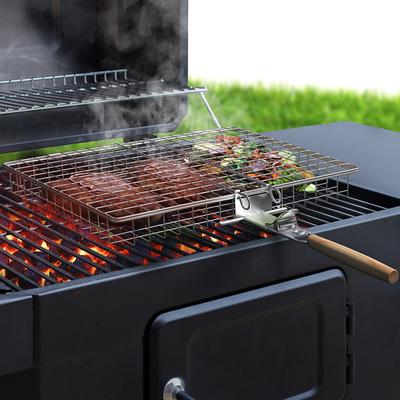
Sorbus Large Stainless Steel Barbecue Folding Grilling Basket with Removable Handles - Set of 1Elevate your BBQ game with the Sorbus Stainless Steel Folding Grilling Basket. Perfect for fish, veggies, or shrimp, it ensures even cooking without food falling through. Its large, foldable design offers portability for camping and outdoor grilling.36,49 $*Shipping: 0,00 $Secure redirect to the provider
-
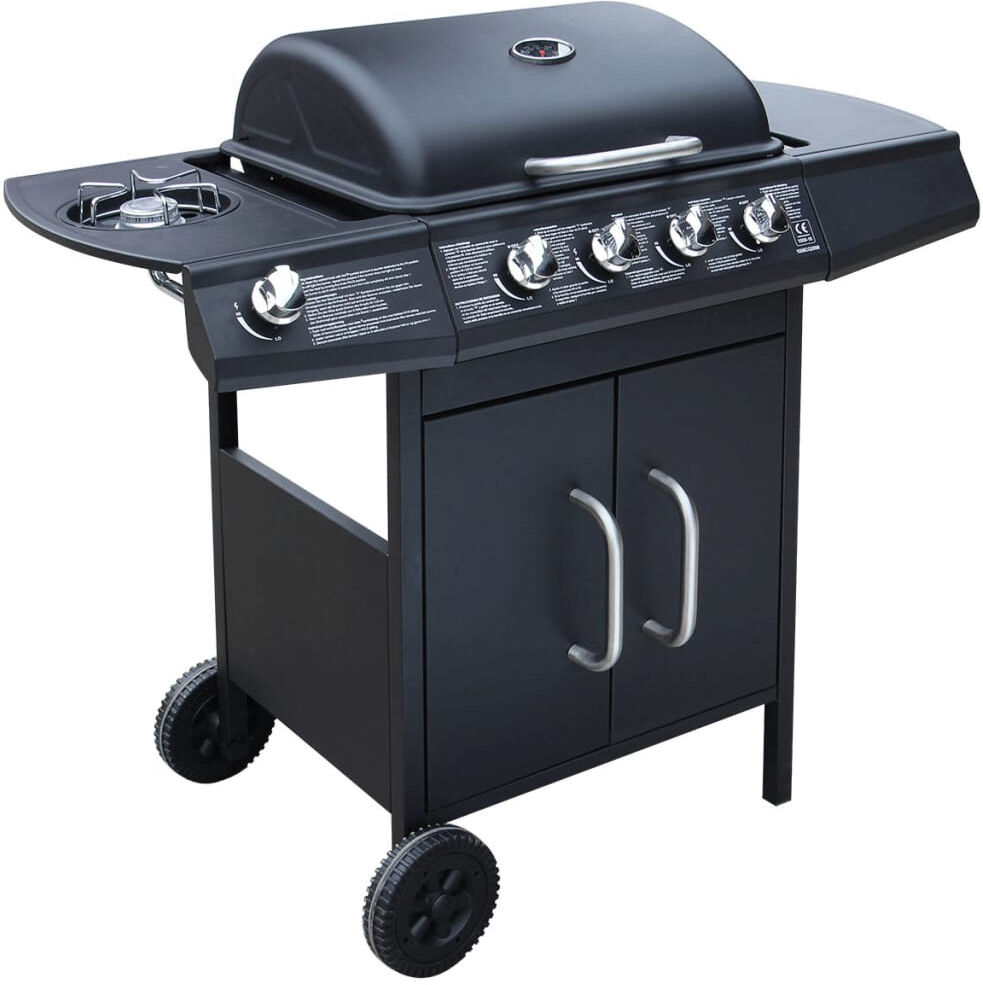
Symple Stuff Gas Barbecue Grill 4+1 Cooking Zone Black 4This gas BBQ grill has 4 large cooking zones and 1 side cooking zone and is ideal for creating an outdoor feast for your family and friends. It will make your outdoor cooking experience sizzle, effectively turning your backyard into a second kitchen! The gas grill features a stylish and functional design. It has a large cooking surface and a heavy-duty hood with a built-in thermometer which accurately displays the cooking temperature. A side table offers additional workspace for making sauces or your favourite side dishes. A removable grease drip container is also included, which is easy to clean. Made of heavy-duty materials, the grill is very durable. The cabinet underneath provides large space to store cookware and utensils. Thanks to the 2 sturdy castors, the grill is easy to move around. Delivery also includes a BBQ cover to protect the grill from rain and dust. To connect the barbecue to the gas cylinder, a gas hose and a proper pressure regulator are required, which are not included in delivery. Symple Stuff Finish: Black249,99 £*Shipping: 0,00 £Secure redirect to the provider
-
What is the difference between a photoelement and a photodiode?
A photoelement is a general term used to describe any device that converts light into an electrical signal, including photodiodes. A photodiode is a specific type of photoelement that operates in reverse bias, meaning it only allows current to flow when light is present. Photodiodes are commonly used in applications such as light detection, solar cells, and optical communication systems. In contrast, a photoelement can refer to a broader range of light-sensitive devices, including phototransistors, photoresistors, and photovoltaic cells. **
-
What are the different characteristics between a photodiode and a photoresistor?
Photodiodes are semiconductor devices that generate a current when exposed to light, offering a fast response time and high sensitivity to light intensity changes. They are more expensive and complex to use compared to photoresistors. Photoresistors, on the other hand, are passive components that change resistance based on the amount of light they are exposed to, providing a simple and cost-effective solution for light detection. They have a slower response time and are less sensitive to light compared to photodiodes. **
-
How can the light sensor (photodiode) be read out analog-digital?
The light sensor (photodiode) can be read out analog-digital by using an analog-to-digital converter (ADC). The photodiode generates a current or voltage signal in response to the incident light, which is then converted into a digital value by the ADC. The ADC samples the analog signal at regular intervals and quantizes it into discrete digital values, which can then be processed and analyzed by a microcontroller or computer. This digital output can be used to measure the intensity of the light and make decisions or trigger actions based on the light level. **
-
What is the difference between a photodiode, a phototransistor, and a photoresistor?
A photodiode is a semiconductor device that converts light into an electrical current. It operates in reverse bias mode and has a fast response time. A phototransistor is a type of transistor that is sensitive to light and amplifies the current flowing through it when exposed to light. It operates in active mode and is more sensitive than a photodiode. A photoresistor, on the other hand, is a passive component whose resistance changes in response to light intensity. It does not amplify the current like a phototransistor and is commonly used in light sensing applications. **
* All prices are inclusive of VAT and, if applicable, plus shipping costs. The offer information is based on the details provided by the respective shop and is updated through automated processes. Real-time updates do not occur, so deviations can occur in individual cases. ** Note: Parts of this content were created by AI.