Buy grillwerk.eu ?
We are moving the project
grillwerk.eu .
Are you interested in purchasing the domain
grillwerk.eu ?
domain@kv-gmbh.de · 0541-91531010
Buy grillwerk.eu ?
How do you transform an object clause or a subject clause into a dependent clause (subordinate clause)?
To transform an object clause or a subject clause into a dependent clause, you can add a subordinating conjunction at the beginning of the clause. For example, changing "I know that he is coming" (object clause) to "I know when he is coming" (dependent clause). Another way is to remove the subject or object pronoun and change the verb form to make it dependent on the main clause. For instance, changing "She believes she can win" (subject clause) to "She believes she can win" (dependent clause). **
Is an infinitive clause a subordinate clause?
Yes, an infinitive clause is a type of subordinate clause. It functions as a single unit within a sentence and is dependent on the main clause for its meaning. Infinitive clauses typically begin with the word "to" followed by a verb, and they can serve various purposes such as expressing purpose, result, or obligation. **


Similar search terms for Clause
Top-Angebote
Products related to Clause:
-
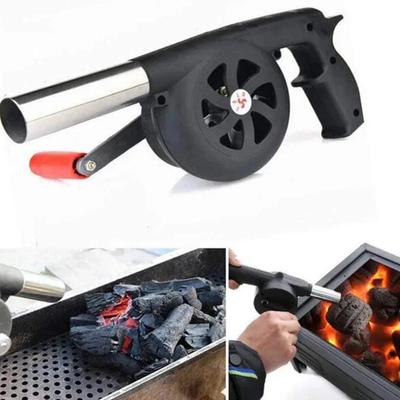
Perfect Picks Market Portable Manual BBQ Fan For Outdoor Grilling Air Blower For Barbecue & Picnic Portable Manual BBQ Fan For Outdoor Grilling Air Blower For Barbecue & PicnicLooking to take your outdoor BBQ experience to the next level The BBQ fan is a musthave tool for anyone who enjoys grilling. This manual air blower makes it easier to get your fire going faster, helping you enjoy the perfect BBQ in no time. Whether...31,97 $*Shipping: 0,00 $Secure redirect to the provider
-
Daily Deals Depot Santa Clause Peeker Yard Ornament, Christmas Fence Decoration, Indoor Outdoor Holiday Placard, DIY Festival Gift redBring the festive spirit to life with this Christmas Fence Ornament Santa Clause Peeker Yard Decoration, the perfect way to surprise neighbors and delight guests this holiday season. Designed for indoor and outdoor use, this charming Santa Clause...21,97 $*Shipping: 0,00 $Secure redirect to the provider
-
Lush Living Finds Portable Hand Crank BBQ Fire Blower Fan For Grilling, Camping & Outdoor Cooking Portable Hand Crank BBQ Fire Blower Fan For Grilling, Camping & Outdoor CookingTurn slowstarting fires into steady, glowing heat in seconds. This 1 pc of portable BBQ blower helps you ignite charcoal and wood faster without blowing ash everywhere, making outdoor cooking easier and more enjoyable. Designed for grill...35,97 $*Shipping: 0,00 $Secure redirect to the provider
-
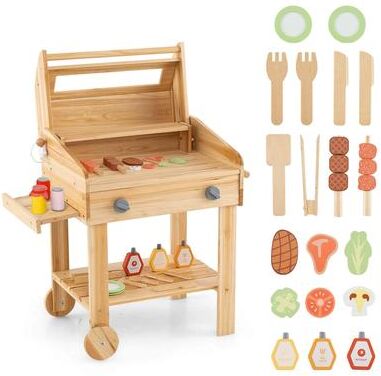
Wooden Play Barbecue Toy Set Kids Grill Play Set w/ Grilling ToolsGet your young aspiring chefs cooking with our kids BBQ grill playset. Designed for children aged 3 and up, this pretend kitchen set features a wooden structure with easy mobility on 2 wheels and a side handle for safe indoor or outdoor grilling fun.82,99 $*Shipping: 0,00 $Secure redirect to the provider


-
What are main clause-subordinate clause constructions?
Main clause-subordinate clause constructions are sentences that consist of a main clause and one or more subordinate clauses. The main clause is a complete sentence that can stand alone, while the subordinate clause depends on the main clause for its meaning and cannot stand alone. Subordinate clauses often begin with subordinating conjunctions such as "because," "although," "if," or "when," and they provide additional information or context to the main clause. These constructions allow for more complex and nuanced sentence structures, and they are commonly used in both spoken and written language. **
-
Can an adverbial clause also be a subject clause or an object clause?
No, an adverbial clause cannot be a subject clause or an object clause. An adverbial clause functions as an adverb to modify a verb, adjective, or adverb in a sentence. Subject clauses and object clauses, on the other hand, serve as the subject or object of the main clause, respectively. Each type of clause has a specific grammatical function within a sentence. **
-
Is the main clause and subordinate clause correct?
To determine if the main clause and subordinate clause are correct, you need to ensure that they are grammatically sound and that they make sense when combined. The main clause should be able to stand alone as a complete sentence, while the subordinate clause provides additional information but cannot stand alone. Checking for subject-verb agreement and proper punctuation between the two clauses can help confirm their correctness. **
-
What is the main clause, subordinate clause 1st degree, and subordinate clause 2nd degree?
The main clause is the independent clause that contains the main idea of the sentence. It can stand alone as a complete sentence. The subordinate clause 1st degree is a clause that depends on the main clause for its meaning and cannot stand alone as a complete sentence. The subordinate clause 2nd degree is a clause that depends on the subordinate clause 1st degree for its meaning and cannot stand alone as a complete sentence. **


How do I recognize a relative clause, a conjunctional clause, and an interrogative clause?
A relative clause typically starts with a relative pronoun (such as who, whom, whose, which, or that) and provides more information about a noun in the main clause. A conjunctional clause, on the other hand, is introduced by a conjunction (such as and, but, or because) and connects two independent clauses. An interrogative clause is a type of clause that asks a question and is typically introduced by an interrogative pronoun (such as who, what, when, where, why, or how) or an interrogative adverb (such as how, when, or where). **
How can I recognize a relative clause, a conjunctional clause, and an interrogative clause?
A relative clause is a type of dependent clause that typically starts with a relative pronoun (such as who, whom, whose, which, or that) and provides additional information about a noun in the main clause. A conjunctional clause, on the other hand, is a dependent clause that functions as an adverb, adjective, or noun in a sentence and is connected to the main clause by a conjunction (such as because, although, if, when, etc.). An interrogative clause is a type of clause that asks a question and typically begins with a question word (such as who, what, where, when, why, or how) or with a helping verb followed by the subject. **
Top-Angebote
Products related to Clause:
-
Combo Retail Shop Christmas Fence Ornaments, Santa Clause Peeker, Yard Ornaments, Indoor Outdoor, DIY Festival Gift greenBring the magic of the holidays to your home with these charming Christmas Fence Ornaments. Featuring a playful Santa Clause Peeker, these yard decorations are perfect for both indoor and outdoor spaces. Crafted to brighten your garden, lawn, or...44,97 $*Shipping: 0,00 $Secure redirect to the provider
-
ModernMart Christmas Fence Decoration: Santa, Snowman, Reindeer, Penguin Peeker Ornaments For Indoor Outdoor Festivities Color: Santa ClauseChristmas Fence Decoration Santa Clause Snowman Reindeer Penguin Peeker Yard Ornaments Indoor Outdoor Festival Gift Christmas Fence Decoration Santa Clause Snowman Reindeer Penguin Peeker Brand new & high quality Material: PP plastic Color:...20,00 $*Shipping: 0,00 $Secure redirect to the provider
-
Perfect Picks Market Portable Manual BBQ Fan For Outdoor Grilling Air Blower For Barbecue & Picnic Portable Manual BBQ Fan For Outdoor Grilling Air Blower For Barbecue & PicnicLooking to take your outdoor BBQ experience to the next level The BBQ fan is a musthave tool for anyone who enjoys grilling. This manual air blower makes it easier to get your fire going faster, helping you enjoy the perfect BBQ in no time. Whether...31,97 $*Shipping: 0,00 $Secure redirect to the provider
-
Daily Deals Depot Santa Clause Peeker Yard Ornament, Christmas Fence Decoration, Indoor Outdoor Holiday Placard, DIY Festival Gift redBring the festive spirit to life with this Christmas Fence Ornament Santa Clause Peeker Yard Decoration, the perfect way to surprise neighbors and delight guests this holiday season. Designed for indoor and outdoor use, this charming Santa Clause...21,97 $*Shipping: 0,00 $Secure redirect to the provider
-
How do you transform an object clause or a subject clause into a dependent clause (subordinate clause)?
To transform an object clause or a subject clause into a dependent clause, you can add a subordinating conjunction at the beginning of the clause. For example, changing "I know that he is coming" (object clause) to "I know when he is coming" (dependent clause). Another way is to remove the subject or object pronoun and change the verb form to make it dependent on the main clause. For instance, changing "She believes she can win" (subject clause) to "She believes she can win" (dependent clause). **
-
Is an infinitive clause a subordinate clause?
Yes, an infinitive clause is a type of subordinate clause. It functions as a single unit within a sentence and is dependent on the main clause for its meaning. Infinitive clauses typically begin with the word "to" followed by a verb, and they can serve various purposes such as expressing purpose, result, or obligation. **
-
What are main clause-subordinate clause constructions?
Main clause-subordinate clause constructions are sentences that consist of a main clause and one or more subordinate clauses. The main clause is a complete sentence that can stand alone, while the subordinate clause depends on the main clause for its meaning and cannot stand alone. Subordinate clauses often begin with subordinating conjunctions such as "because," "although," "if," or "when," and they provide additional information or context to the main clause. These constructions allow for more complex and nuanced sentence structures, and they are commonly used in both spoken and written language. **
-
Can an adverbial clause also be a subject clause or an object clause?
No, an adverbial clause cannot be a subject clause or an object clause. An adverbial clause functions as an adverb to modify a verb, adjective, or adverb in a sentence. Subject clauses and object clauses, on the other hand, serve as the subject or object of the main clause, respectively. Each type of clause has a specific grammatical function within a sentence. **
Similar search terms for Clause
-
Lush Living Finds Portable Hand Crank BBQ Fire Blower Fan For Grilling, Camping & Outdoor Cooking Portable Hand Crank BBQ Fire Blower Fan For Grilling, Camping & Outdoor CookingTurn slowstarting fires into steady, glowing heat in seconds. This 1 pc of portable BBQ blower helps you ignite charcoal and wood faster without blowing ash everywhere, making outdoor cooking easier and more enjoyable. Designed for grill...35,97 $*Shipping: 0,00 $Secure redirect to the provider
-
Wooden Play Barbecue Toy Set Kids Grill Play Set w/ Grilling ToolsGet your young aspiring chefs cooking with our kids BBQ grill playset. Designed for children aged 3 and up, this pretend kitchen set features a wooden structure with easy mobility on 2 wheels and a side handle for safe indoor or outdoor grilling fun.82,99 $*Shipping: 0,00 $Secure redirect to the provider
-
VEVOR Outdoor Grill Cart, 31.5 x 24.0 inch Stainless Steel Tabletop Size Grilling Table, Outdoor Cooking TableWide Prep Surface: With its 31.5 x 24 inch/800 x 610mm surface, our flattop grill cart fits mainstream pizza ovens, flat-top grills, tabletop units, and portable models.135,49 $*Shipping: 0,00 $Secure redirect to the provider
-
VEVOR Outdoor Grill Cart, 36.4 x 23.4 x 1 inch Tabletop Size Grilling Table, Movable Outdoor Cooking Table"Extra-Large Worktop: With a 36.4"" x 23.4""/925 x 595mm top, the flattop grill cart accommodates popular pizza ovens, flat-top grills, tabletop units, and portable cookers."186,49 $*Shipping: 0,00 $Secure redirect to the provider
-
Is the main clause and subordinate clause correct?
To determine if the main clause and subordinate clause are correct, you need to ensure that they are grammatically sound and that they make sense when combined. The main clause should be able to stand alone as a complete sentence, while the subordinate clause provides additional information but cannot stand alone. Checking for subject-verb agreement and proper punctuation between the two clauses can help confirm their correctness. **
-
What is the main clause, subordinate clause 1st degree, and subordinate clause 2nd degree?
The main clause is the independent clause that contains the main idea of the sentence. It can stand alone as a complete sentence. The subordinate clause 1st degree is a clause that depends on the main clause for its meaning and cannot stand alone as a complete sentence. The subordinate clause 2nd degree is a clause that depends on the subordinate clause 1st degree for its meaning and cannot stand alone as a complete sentence. **
-
How do I recognize a relative clause, a conjunctional clause, and an interrogative clause?
A relative clause typically starts with a relative pronoun (such as who, whom, whose, which, or that) and provides more information about a noun in the main clause. A conjunctional clause, on the other hand, is introduced by a conjunction (such as and, but, or because) and connects two independent clauses. An interrogative clause is a type of clause that asks a question and is typically introduced by an interrogative pronoun (such as who, what, when, where, why, or how) or an interrogative adverb (such as how, when, or where). **
-
How can I recognize a relative clause, a conjunctional clause, and an interrogative clause?
A relative clause is a type of dependent clause that typically starts with a relative pronoun (such as who, whom, whose, which, or that) and provides additional information about a noun in the main clause. A conjunctional clause, on the other hand, is a dependent clause that functions as an adverb, adjective, or noun in a sentence and is connected to the main clause by a conjunction (such as because, although, if, when, etc.). An interrogative clause is a type of clause that asks a question and typically begins with a question word (such as who, what, where, when, why, or how) or with a helping verb followed by the subject. **
* All prices are inclusive of VAT and, if applicable, plus shipping costs. The offer information is based on the details provided by the respective shop and is updated through automated processes. Real-time updates do not occur, so deviations can occur in individual cases. ** Note: Parts of this content were created by AI.